Volunteer Abroad Programs for Students 2026: What's Worth It
The Peace Corps released its 2026 top volunteer-producing university rankings in early spring, and one detail stood out: University of Wisconsin-Madison had 46 graduates actively serving in 30 countries at once. Not alumni who once volunteered years ago. People currently in the field, right now. Most students assume international volunteering is something you sort out after college. Wrong on that.
The harder question isn't whether to go. It's which program, among the several hundred currently competing for your attention and your money, is genuinely worth it — and which ones are glorified resort packages dressed up as service.
What Volunteer Programs Actually Cost
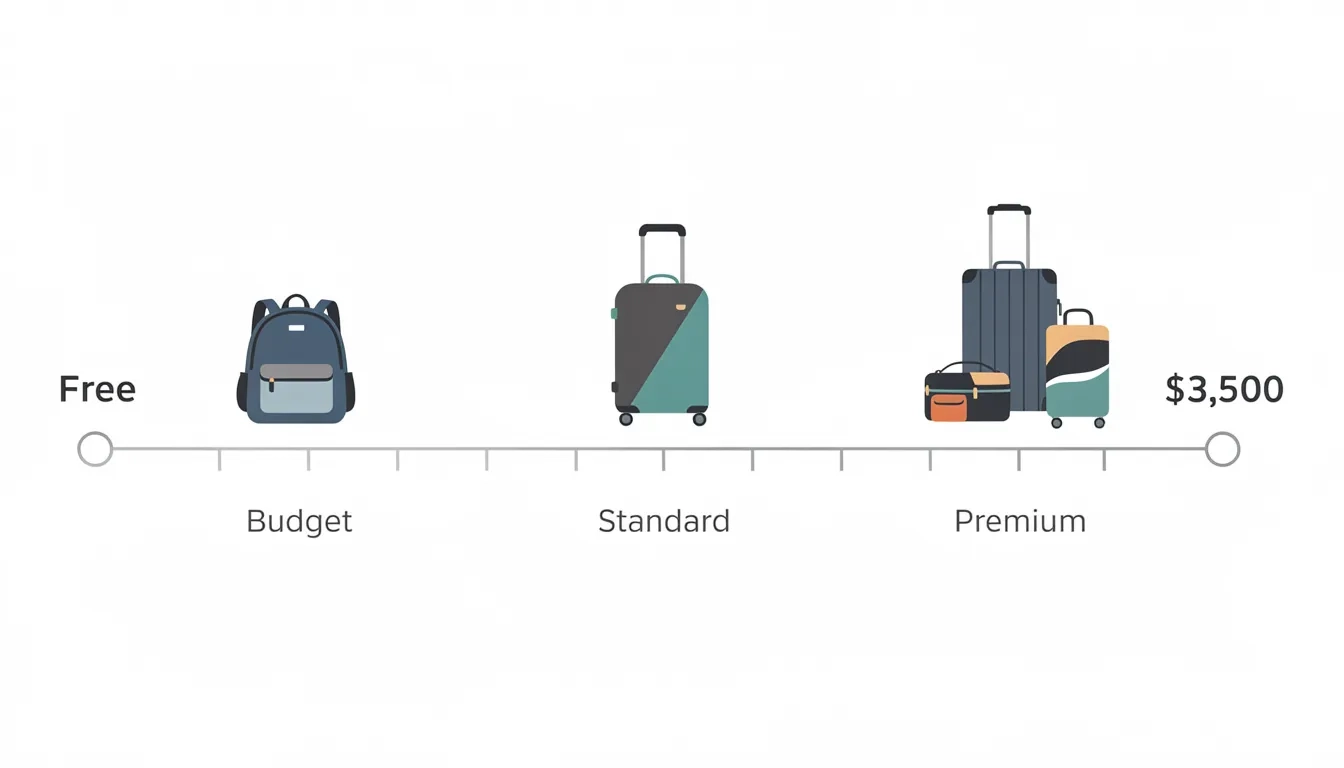
The honest price range runs from completely free (with significant commitment attached) to around $3,500 for a fully packaged summer experience.
International Volunteer HQ, one of the most affordable commercial operators in the space, starts at roughly $20 per day including accommodation. A 4-week placement works out to about $560 in program fees — then you add flights, which swing dramatically by destination. Rustic Pathways' summer programs start at $2,800, bundling housing, meals, excursions, and project costs into one number.
Then there's the fully-funded end of the spectrum. The Peace Corps covers your housing, provides a monthly living allowance, and pays medical and dental costs throughout service. You also receive a $10,000 readjustment allowance when you finish. The tradeoff: standard service runs 27 months. Not a summer commitment.
One thing most guides skip entirely: some programs count toward academic credit. If your university has a service-learning agreement with an organization like Projects Abroad or GVI, your volunteer semester might satisfy major requirements. Worth a conversation with your registrar before booking anything.
Comparing the Top Organizations
Not all volunteer operators work the same way. Here's how the main players compare on the dimensions that actually matter for students:
| Organization | Starting Cost | Duration Range | Countries | Best Match |
|---|---|---|---|---|
| IVHQ | ~$20/day | 1–24 weeks | 50+ | Budget-conscious, flexible schedules |
| Volunteering Solutions | Varies | 1–24 weeks | 25+ | Structured program types |
| GVI | Varies | 1–12 weeks | Global | Conservation and teaching focus |
| GoEco | Varies | 1–8 weeks | Multiple | Wildlife and marine programs |
| Projects Abroad | Varies | 1–12 weeks | 50+ | Pre-med, pre-law, education majors |
| Peace Corps | Free | 27 months | 60+ | Post-grad, full-time commitment |
| Habitat for Humanity | Varies | 1–2 weeks | Global | Construction and community builds |
IVHQ runs 330+ individual projects across categories from sea turtle conservation in Fiji to special needs education in Romania. That breadth makes it the default choice for students who want flexibility without premium pricing.
Choose Based on What You Want to Do, Not Where You Want to Go
Here's the mistake most students make: they pick a destination first, then figure out the work. Flip that. Your career trajectory should drive the decision.
Pre-med and nursing students get genuine value from clinical placements in East Africa or South Asia. Projects Abroad and Volunteering Solutions place students in settings in Kenya and Nepal where they shadow doctors, assist at health camps, and observe procedures that wouldn't be on the table in a US clinical rotation. Some volunteers are interacting with 40+ patients a day by week three.
Education majors do well in teaching programs across Guatemala, Cambodia, or Cape Town. GVI's English literacy tutoring program in Cape Town pairs volunteers one-on-one with learners — building actual instructional skills, not just crowd management in an underfunded classroom.
Environmental science and biology students have the richest options. GoEco's Great Barrier Reef Conservation program offers PADI certification alongside real seabed surveying and damage documentation. African Impact's Dolphin Research and Marine Conservation project in Zanzibar runs 1–12 weeks and includes field ethics training alongside data collection that feeds into actual research outputs.
"The student who goes to Zanzibar and returns with 12 weeks of raw field data has something no classroom lab can replicate — and no interviewer asks them to explain it twice."
Business and development students should look at community economic development placements, particularly through Peace Corps or IVHQ's women's empowerment programs, which focus on vocational skills training rather than construction photo ops.
Free and Funded Programs Worth Knowing
Most "free volunteer abroad" lists conflate "affordable" with "free." Let's be specific.
Peace Corps is the gold standard for full funding. No program fee. Housing covered. Monthly allowance. Medical care included. And Peace Corps service counts as qualifying employment for the Department of Education's Public Service Loan Forgiveness (PSLF) program — meaning if you carry federal student loans, your 27 months count toward the 120 payments needed for loan forgiveness. For a graduate carrying $47,000 in federal debt (close to the 2025 four-year average), that benefit is not trivial. Most students who would benefit most from this don't know it exists.
UN Volunteers runs placements specifically for university students tied to Sustainable Development Goals. Stipends vary by assignment and location. Most positions require upper-level undergraduate or graduate standing, and competition is real.
Habitat for Humanity's Global Village operates differently. You raise your own trip costs through fundraising, but the per-participant cost typically lands well below commercial operators for comparable work. The organization has been running youth volunteer programs since 1976 (which predates most of their competitors by at least two decades), so the model is well-tested.
The Au Pair route sits in a gray zone but deserves mention. Host families provide room and board in exchange for childcare or language tutoring. ALIORE in Montpellier, France matches volunteers with host families in exchange for 15+ hours of English teaching weekly. It's not pure volunteering, but for students whose main barrier is cost, it's a real option.
Picking a Destination: What the Rankings Miss
Popular destination lists rank places by traffic, not by program quality. Costa Rica, Thailand, and South Africa dominate because the marketing budgets are larger, not because the programs are better.
Underrated destinations for 2026 include Mozambique, which has seen growth in marine conservation programs tied to coral reef recovery efforts; Oaxaca, Mexico through Adelante Abroad for ecology and social work internships with housing and local contacts included; and Bocas del Toro, Panama through Give and Surf, which bundles community education work with surfing in a way that sounds like a gimmick but has genuine participant reviews backing it up.
Japan gets far less attention than it deserves. Volunteers for Peace runs placements from 1 week to 12 months covering agriculture, teaching, and community development in rural areas. The programs are affordable, well-organized, and Japan's aging rural population creates volunteer needs that are real rather than manufactured.
The thing most guides skip: visa requirements vary sharply by destination. Some countries require a dedicated volunteer visa, separate from a tourist visa. Showing up on a tourist visa for structured program work can create legal problems. IVHQ and Projects Abroad both provide guidance on this. Smaller operators sometimes don't — ask explicitly before you commit.
How to Apply (and When to Start)
The timeline most students underestimate:
- 9–12 months before departure: Research organizations. Read verified reviews on GoAbroad and GoOverseas, not just testimonials on the organization's own site. Identify 3–4 programs that match your goals.
- 6–8 months out: Submit applications. Peace Corps applications close early and the review process alone takes months. IVHQ lets you apply free to browse options, then secures your placement with a registration fee.
- 4–6 months out: Book flights. Popular summer departure dates fill faster than most students expect.
- 2–3 months out: Handle visa paperwork, vaccinations, and travel insurance. Some destinations require a Hepatitis A/B series — which takes six months to complete — or Yellow Fever vaccination.
- 1 month out: Complete any required pre-departure orientation your organization provides.
One specific thing to check early: programs working with children or vulnerable populations require background checks. Those routinely take 4–6 weeks. Don't leave them until the week before.
Red Flags and What to Walk Away From
Not every volunteer program leaves communities better than it found them. The voluntourism criticism is legitimate in specific cases.
Short-term orphanage programs have received consistent criticism from child welfare organizations including UNICEF. The concern is twofold: high volunteer turnover disrupts attachment bonds in children, and some facilities have been found to house children — sometimes with living parents — specifically to attract paying volunteers. Research any childcare program carefully before committing.
Signs of a well-run program:
- Names its specific local partner organizations, not vague "community partners"
- Describes concrete outputs, not just personal growth language
- Honest about what a short-term volunteer can realistically accomplish
- Has third-party accreditation through WYSE Travel, The Long Run, or similar bodies
- Verifiable reviews on independent platforms
Signs to walk away:
- Program descriptions heavy on your personal transformation, light on what you'll actually do
- No mention of local partner organizations
- Pressure to book immediately or lose your spot
- Prices suspiciously below market with no explanation of exclusions
Bottom Line
The most important decision isn't which country or which cause — it's whether the organization is honest about what short-term volunteers can and can't do, and whether the work matches your actual goals.
- Start 6–9 months before your target date. Visas, vaccinations, and competitive applications all have longer timelines than students expect.
- Match the program to your career trajectory. Pre-med students belong in clinical settings. Conservation students belong in the field with real data responsibilities.
- If you're post-graduation, take the Peace Corps seriously. The full funding plus student loan forgiveness benefits are genuinely underused by the graduates who'd benefit most.
- Budget for the full cost, not just the program fee. Flights, visas, vaccinations, travel insurance, and gear typically add $800–$1,500 on top of any program fee.
- Read third-party reviews before sending money to anyone.
Frequently Asked Questions
Can I volunteer abroad with no prior experience?
Yes, and most programs are built for it. IVHQ, GVI, and Volunteering Solutions all accept students with no prior volunteer experience. Teaching programs provide lesson templates and orientation. Conservation programs train you on data collection methods in the first week. What organizations actually screen for is engagement and reliability, not a prior track record.
Do "free" volunteer abroad programs actually exist?
Rarely, and the conditions matter. Fully funded programs like Peace Corps and UN Volunteers are real, but they come with long commitments or competitive selection. Most programs marketed as "free" require fundraising targets or cover only accommodation — flights, insurance, and travel costs land on you. Budget accordingly rather than expecting a zero-dollar experience.
How do I know if a volunteer program is ethical?
Look for programs that name their local partners, describe specific work outputs, and discourage short-term orphanage placements. Programs accredited by the Forum on Education Abroad or that follow Ethical Volunteering guidelines have cleared a higher bar. UNICEF's published guidance on volunteering with children in care settings is worth reading before booking any childcare-adjacent placement.
Will volunteer abroad experience strengthen a grad school application?
It depends entirely on what you did and how specifically you can talk about it. Eight weeks of clinical shadowing in Nepal — with specific observations about the healthcare infrastructure challenges you witnessed — is a story. Two weeks painting a school is a nice experience, but not automatically a differentiator. Depth and specificity matter more than the destination.
What is the minimum age to volunteer abroad?
Most commercial programs accept students aged 18 and up. Programs specifically designed for high schoolers, like Amigos de las Americas (ages 13–19) and Rustic Pathways (ages 14–18), have age-appropriate structures with parental involvement built in. Younger students should look for programs designed for teens rather than trying to adapt adult placements.
Can volunteer abroad hours count toward college credit?
At many universities, yes — but you must arrange it before you leave. Check whether your institution has a service-learning office or existing partnerships with specific organizations. Projects Abroad and GVI both maintain formal academic agreements with dozens of universities. Informal arrangements without advance paperwork almost never get approved after the fact.
Sources
- 14 Best Volunteer Abroad Programs for College Students in 2026 - GoAbroad
- Student Volunteer Abroad Programs - International Volunteer HQ
- Best Volunteer Abroad Programs For College Students - Volunteering Solutions
- Free Volunteer Abroad Programs for College Students - FDIP
- Peace Corps 2026 Top Volunteer-Producing Colleges and Universities Rankings
- 3 Ways the Peace Corps Helps You Tackle Your Student Loans